

20.05.2027 19:00
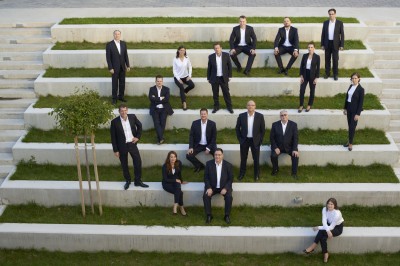
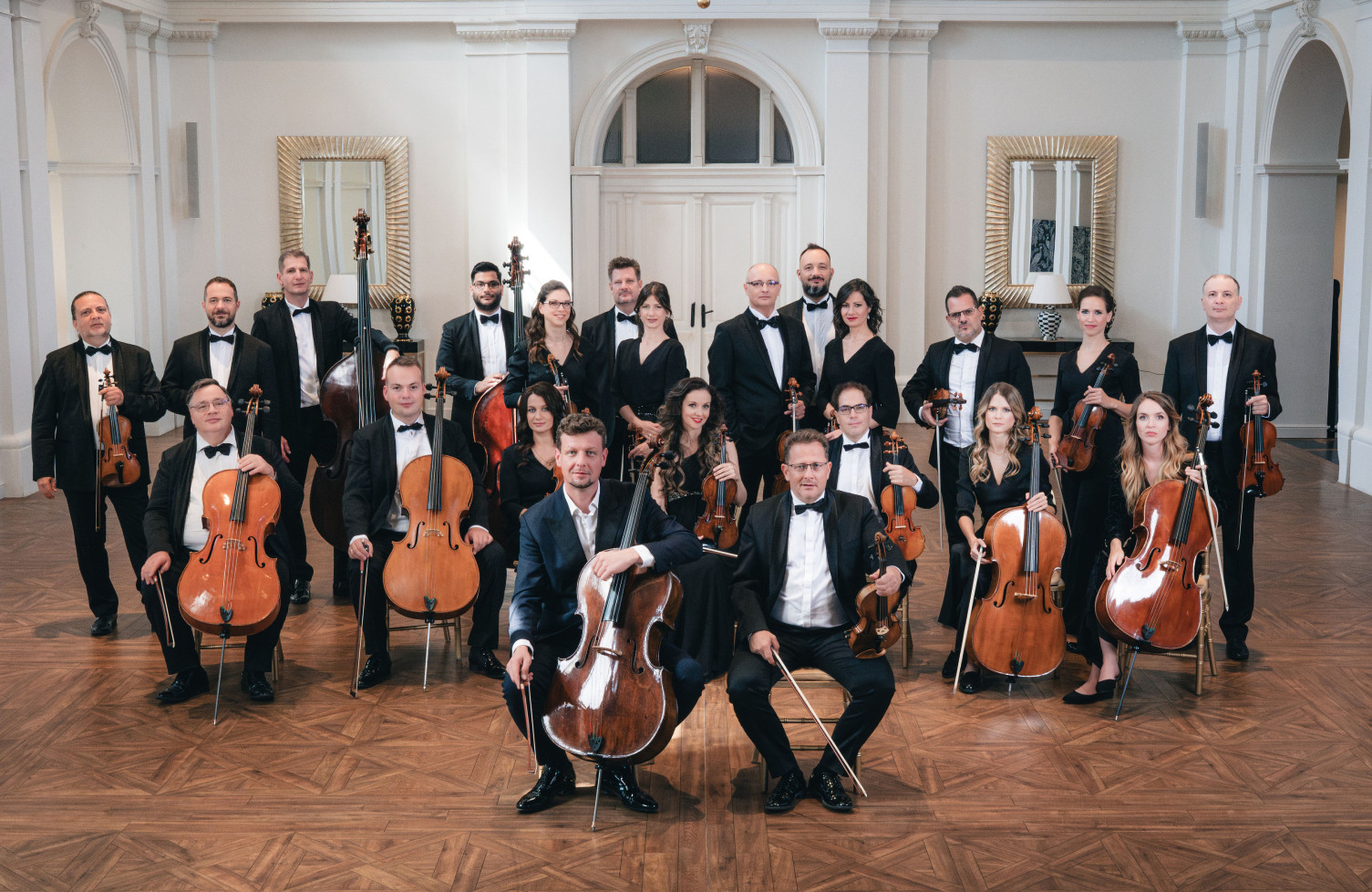
Franz Liszt Chamber Orchestra
Veszprém, Hangvilla Multifunkcionális Közösségi Tér
Hangvilla Season Ticket - Veszprém
Season tickets

Tickets can be purchased at the Hangvilla box office (Brusznyai St. 2, Veszprém; +36 88 889 180), at the venue before the concert, and online at www.jegymester.hu.
We offer a 10% discount for students and pensioners.
Filharmonia Hungary season ticket holders are entitled to a 20% discount on tickets for adult concerts organised and sold by Filharmonia Hungary anywhere in Hungary, upon presentation of their season tickets. The discount applies to one ticket per season ticket, per concert.
The individual discounts cannot be combined.
We reserve the right to change the programmes, dates, venues, and performances, and ticket prices may change accordingly.

Subscriptions can be purchased at the Hangvilla box office (Brusznyai St. 2, Veszprém; +36 88 889 180), as well as online at www.jegymester.hu.
New subscriptions may be purchased until 13 November 2026.
Individual tickets will be available starting 13 October 2026.
Filharmonia Hungary season ticket holders are entitled to a 20% discount on tickets for adult concerts organised and sold by Filharmonia Hungary anywhere in Hungary, upon presentation of their season tickets. The discount applies to one ticket per season ticket, per concert.
We reserve the right to change the programmes, dates, venues, and performances, and ticket prices may change accordingly.
FROM MENDELSSOHN TO MENDELSSOHN
When we think of Romantic composers, names such as Wagner, Liszt, Brahms and Bruckner are likely to spring to mind, along with the earlier pioneers Schubert and Schumann. And, of course, there is Mendelssohn and A Midsummer Night’s Dream, Dvořák and the New World Symphony, or Grieg and Peer Gynt. This concert pays tribute to these three composers, revealing a distinctive and perhaps less familiar side of each.
Mendelssohn, for instance, was still in his early teens when he composed his twelve string symphonies. Although these works were essentially exercises in composition, listening to them reveals a remarkably accomplished and endlessly inventive child prodigy.
When it comes to Dvořák, many listeners think first of his weighty, mature masterpieces. Yet alongside his love of locomotives and plum dumplings, Dvořák was also passionate about dance. He composed two major cycles of Slavonic Dances, wrote numerous waltzes, and filled his other works with dance rhythms that seem to emerge at every turn. This evening, you can take to the dance floor with Dvořák.
Grieg’s Holberg Suite transports us to the world of Ludvig Holberg, the Norwegian-Danish writer who lived and worked during the early Baroque period. In this work, the Romantic composer Grieg effectively creates an imagined Baroque suite, as if written in Holberg’s own time.
Mendelssohn was still only sixteen when he composed the E-flat major Octet that brings the concert to a close. Written for double string quartet, the work inevitably invites comparison with Beethoven’s Op. 20, also in E-flat major, which falls just short of an octet in its instrumentation, being a septet instead. Once again, Mendelssohn demonstrates his intimate understanding of the greatest masters of chamber music, confidently carrying the tradition forward in his own right.
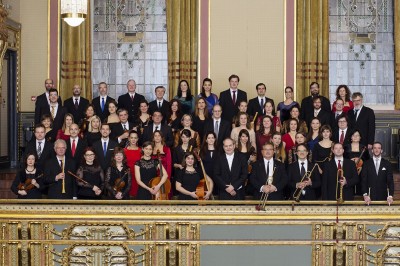
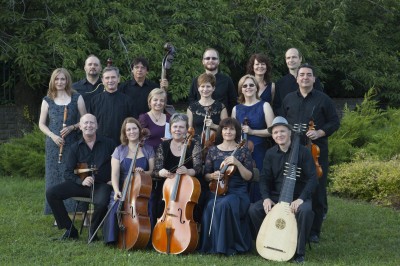
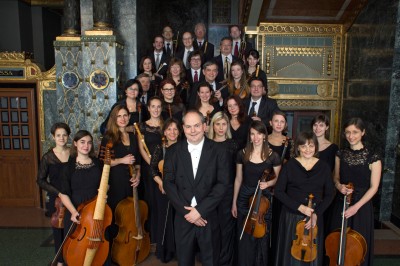
The same spirit of mastery and continuity is embodied by the Franz Liszt Chamber Orchestra, which for more than half a century has been one of Hungary’s most distinguished interpreters of chamber music and orchestral works for smaller ensembles.
Spend an evening in the company of these gifted composers, their extraordinary works and their acclaimed interpreters.
Felix Mendelssohn: string symphony in B minor, No. 10
Antonín Dvořák: Two Waltz, op. 54 No. 1, No. 4
Edvard Grieg: Holberg suite
Felix Mendelssohn: octet in E flat major, op. 20