

15.02.2027 19:00
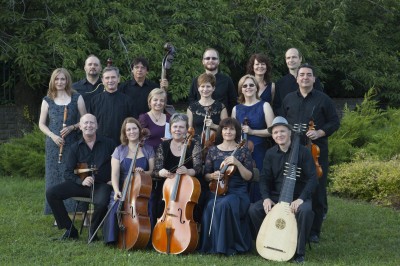
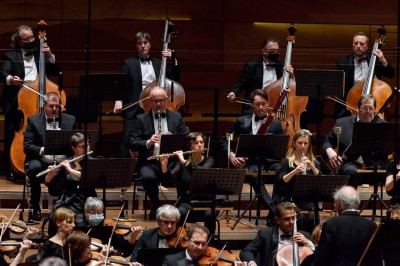
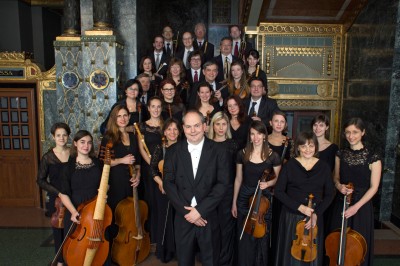
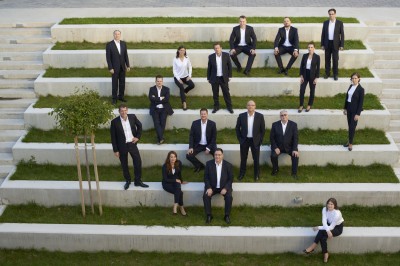
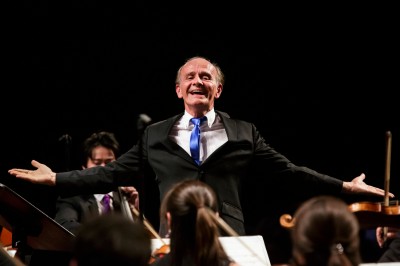
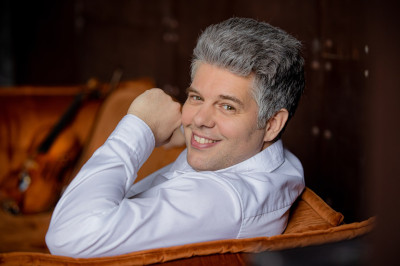
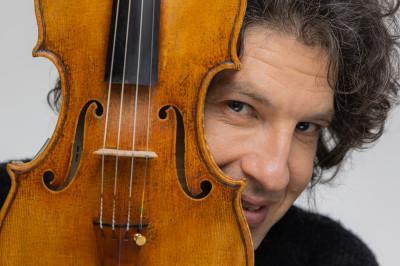
Anima Musicae Chamber Orchestra
Veszprém, Hangvilla Multifunkcionális Közösségi Tér
Hangvilla Season Ticket - Veszprém
Season tickets

Tickets can be purchased at the Hangvilla box office (Brusznyai St. 2, Veszprém; +36 88 889 180), at the venue before the concert, and online at www.jegymester.hu.
We offer a 10% discount for students and pensioners.
Filharmonia Hungary season ticket holders are entitled to a 20% discount on tickets for adult concerts organised and sold by Filharmonia Hungary anywhere in Hungary, upon presentation of their season tickets. The discount applies to one ticket per season ticket, per concert.
The individual discounts cannot be combined.
We reserve the right to change the programmes, dates, venues, and performances, and ticket prices may change accordingly.

Subscriptions can be purchased at the Hangvilla box office (Brusznyai St. 2, Veszprém; +36 88 889 180), as well as online at www.jegymester.hu.
New subscriptions may be purchased until 13 November 2026.
Individual tickets will be available starting 13 October 2026.
Filharmonia Hungary season ticket holders are entitled to a 20% discount on tickets for adult concerts organised and sold by Filharmonia Hungary anywhere in Hungary, upon presentation of their season tickets. The discount applies to one ticket per season ticket, per concert.
We reserve the right to change the programmes, dates, venues, and performances, and ticket prices may change accordingly.
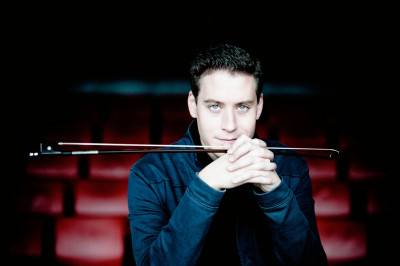
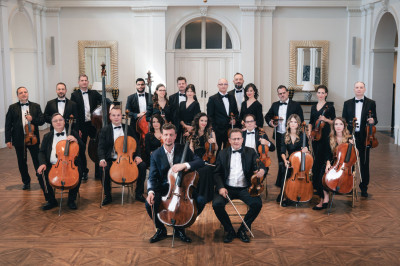
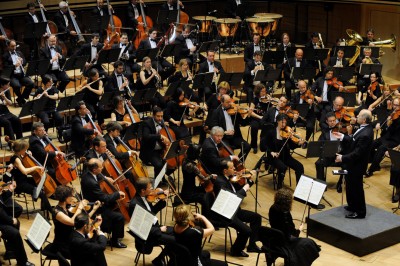
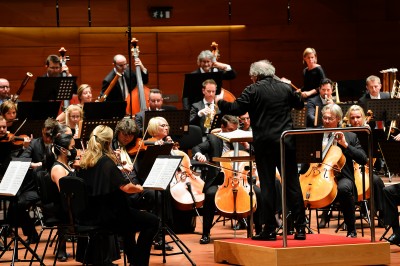
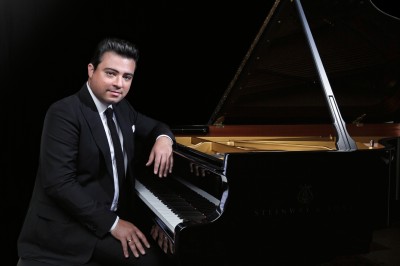
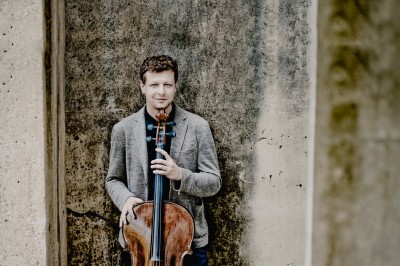
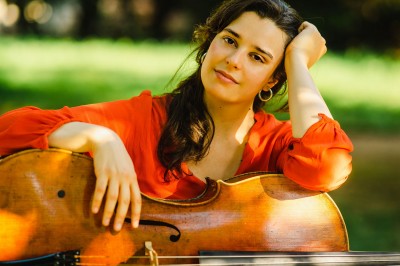
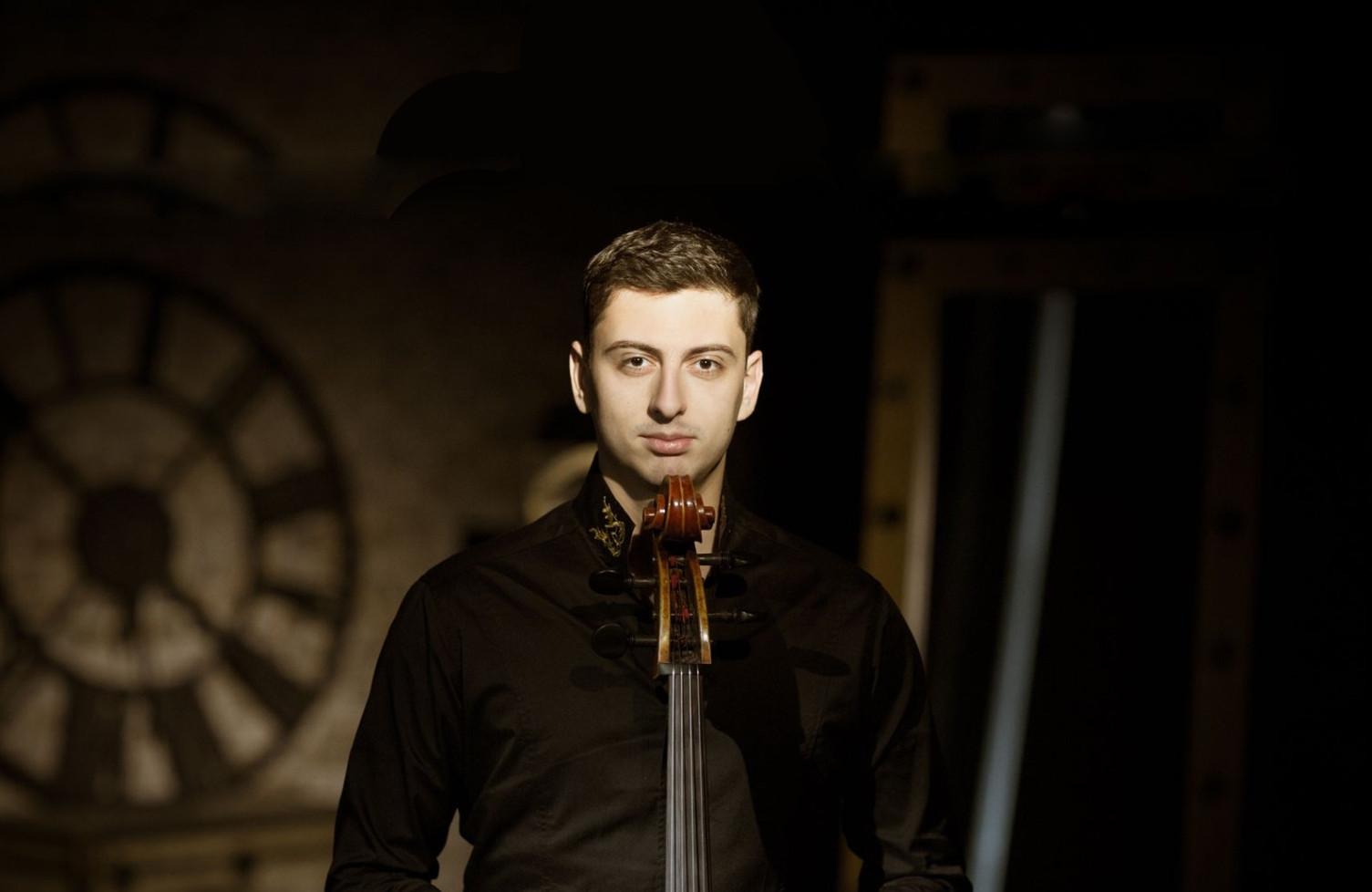
The Anima Musicae Chamber Orchestra is one of Hungary’s most dynamically developing young ensembles, having received numerous international competition awards and national distinctions. It is a regular guest at prestigious venues in Budapest and across Europe. In February, the orchestra will be joined by world-renowned Armenian cellist Narek Hakhnazaryan, celebrated for his exceptionally energetic and emotionally charged performances. Throughout his career, he has collaborated with leading orchestras and conductors around the world and performed at prestigious concert halls across Europe, Asia and North America. His playing is often praised for its passionate tone, virtuosity and profound musical expressiveness.
Tchaikovsky’s chamber music output is relatively modest, comprising three string quartets, one piano trio and the string sextet subtitled Souvenir de Florence. Of these works, the First String Quartet is the best known, not least because it contains the Andante cantabile. Originally written as the quartet’s slow movement, this piece later achieved great popularity in a separate arrangement for cello and orchestra. Its distinctive quality lies in its intimate, songlike melodic lines, which combine melancholy with warmth. With its simple yet deeply expressive thematic material, the work evokes the lyrical world of Russian Romanticism. According to Tchaikovsky’s own diary, it even moved Leo Tolstoy to tears.
An important fact about the second work on the programme is that Wolfgang Amadeus Mozart was, for Tchaikovsky, a “sunlit genius” whose music could “move him to tears.” He studied Mozart’s scores from childhood and developed a particular fondness for Don Giovanni. Yet the Rococo theme on which Tchaikovsky based his charming set of variations for cello and orchestra was not borrowed from another composer: it was his own original theme, masterfully crafted in Mozart’s style. The Variations on a Rococo Theme are among the finest examples of Tchaikovsky’s classicising style, striking an exquisite balance between eighteenth-century elegance and Romantic expressiveness. The work is both virtuosic and lyrical, presenting the cellist with a true test of stylistic refinement. It is also one of the most important concertos in the cello repertoire.
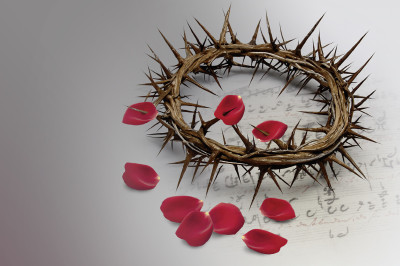
Composed in 1824, Franz Schubert’s String Quartet in D minor, universally known as Death and the Maiden, is one of the most dramatic and deeply moving works in the chamber music repertoire. At the time of its composition, Schubert was suffering from a serious illness and already knew that his life was drawing to a close. The quartet takes its familiar title from the song of the same name, which forms the basis of its second movement. Its dark, tension-filled sound world explores the inevitability of death and the finite nature of human existence. The turbulent energy of the opening movement, the haunting beauty of the slow variations and the relentless momentum of the final Presto combine to create a compelling dramatic unity. The work stands among the greatest masterpieces of Romantic chamber music.
Franz Schubert: String Quartet No. 12 in C minor, D. 703
Pjotr Iljics Csajkovszkij: Rococo variations, Op.33
Pjotr Iljics Csajkovszkij: Andante Cantabile, Op.11
Franz Schubert: Death and the Maiden - String Quartet in D minor, No. 14, D. 810