

22.03.2027 19:00
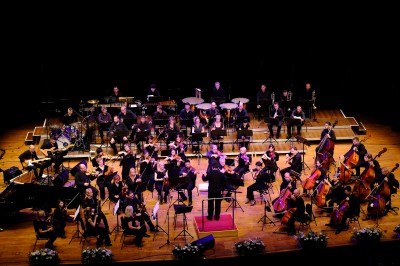
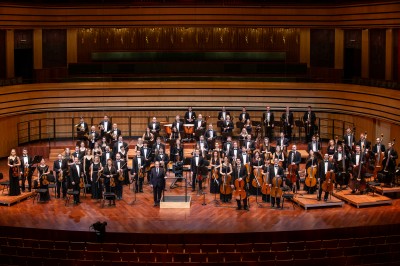
Budapest Festival Orchestra
Székesfehérvár, Vörösmarty Színház
Filharmonia Season Ticket - Székesfehérvár
Season tickets

Tickets can be purchased at the Vörösmarty Theatre box office (Fő St. 8, Székesfehérvár; +36 22 503 503).
We offer a 10% discount for students and pensioners.
Filharmonia Hungary season ticket holders are entitled to a 20% discount on tickets for adult concerts organised and sold by Filharmonia Hungary anywhere in Hungary, upon presentation of their season tickets. The discount applies to one ticket per season ticket, per concert.
The individual discounts cannot be combined.
We reserve the right to change the programmes, dates, venues, and performances, and ticket prices may change accordingly.

Subscriptions can be purchased at the Vörösmarty Theatre box office (Fő St. 8, Székesfehérvár; +36 22 503 503).
New subscriptions may be purchased until 16 November 2026.
Filharmonia Hungary season ticket holders are entitled to a 20% discount on tickets for adult concerts organised and sold by Filharmonia Hungary anywhere in Hungary, upon presentation of their season tickets. The discount applies to one ticket per season ticket, per concert.
We reserve the right to change the programmes, dates, venues, and performances, and ticket prices may change accordingly.
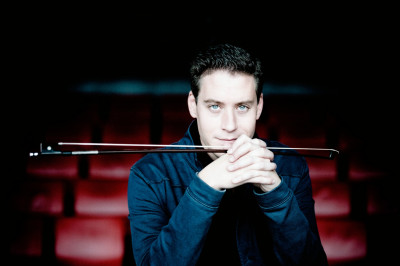
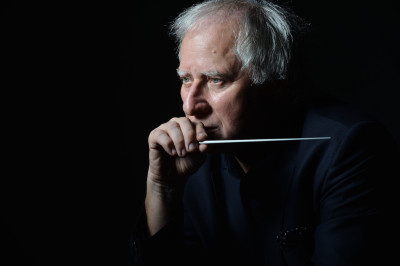
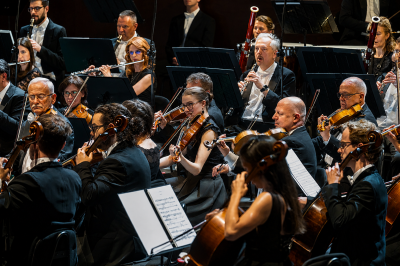
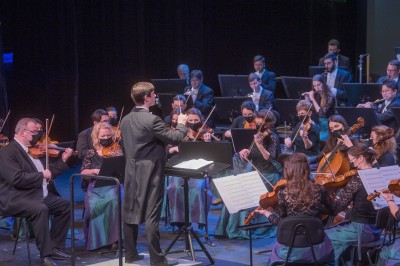
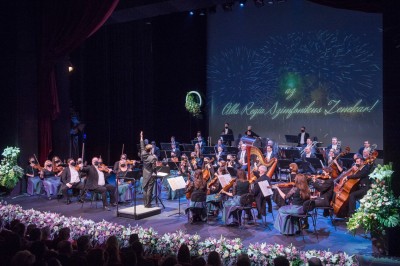
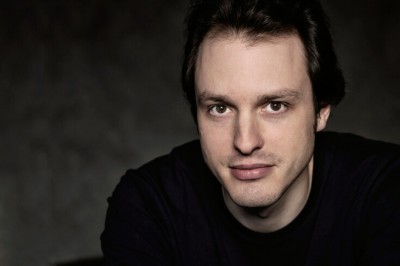
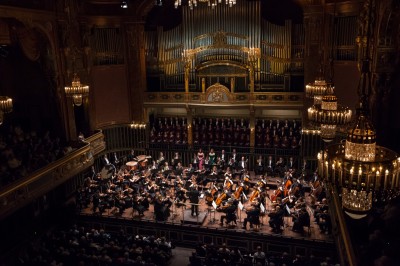
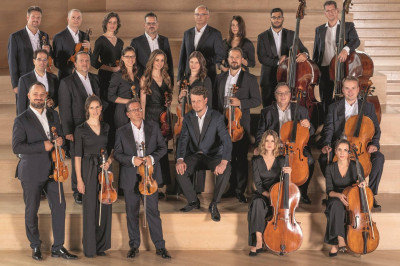
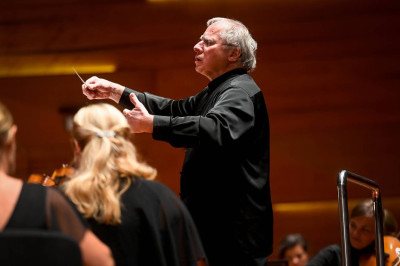
Polish and Hungarian musical worlds meet in a concert by the Budapest Festival Orchestra, where Bartók’s earthy melodies intertwine with the sensual, vividly coloured sound world of Szymanowski. Under the baton of Gábor Takács-Nagy, with Polish-born violinist Marta Dettlaff as soloist, the artistic traditions of two nations enter into an intensely intimate and passionate dialogue. The young violinist performs Szymanowski’s Second Violin Concerto, a work in which raw folk instincts and impressionistic, dreamlike sonorities merge into an almost otherworldly whole. The evening opens with Bartók’s folk-inspired miniatures and culminates in Schumann’s sweeping symphonic masterpiece.
Evening in the Village, Bear Dance, Melody, A Bit Tipsy and Swineherd’s Dance from Ürög were originally composed for piano, but in 1931 Bartók gave them new life through his orchestral arrangements. Hungarian Sketches is therefore far more than a simple transcription: it transforms folk motifs into vibrant, richly coloured concert music. In the opening movement, the woodwinds evoke the sounds of pastoral instruments, transporting listeners to mist-shrouded mountain landscapes, before the unrestrained energy of Bear Dance bursts forth with unexpected force. Following the darker, contemplative mood of Melody, the grotesquely staggering A Bit Tipsy releases the tension, before the elemental folk energy of Swineherd’s Dance from Ürög sweeps the audience along.
Szymanowski’s Violin Concerto is at once a deeply personal confession and a musical vision. He dedicated the work to his friend Paweł Kochański, who contributed not only as a source of inspiration but also as a creative collaborator in shaping the concerto’s final form. The score bears the dedication: “In memory of the great musician, to my dear and unforgettable friend, Paweł Kochański.” The single-movement composition features an expansive cadenza that seems to hover on the threshold between reality and ecstasy, captivating the listener with passages of dreamlike delicacy and eruptions of elemental power. Throughout, Szymanowski’s music vibrates between two worlds: the refined traditions of Western musical culture and the ancient, raw force of folk motifs. From the tenderness of a lullaby to the wild momentum of the dances, the work’s extraordinary emotional intensity unfolds gradually.
Schumann’s Fourth Symphony took a long journey before reaching its definitive form. Composed in 1841, the work was completed on the birthday of his wife, Clara. However, the premiere proved disappointing for the composer, and he set the piece aside for several years. A decade later, he returned to it, reworking the score into the version we know today. The symphony is held together by a recurring, fate-like principal motif that guides the listener through its movements, which flow seamlessly into one another without a break. From the sombre introduction, an increasingly life-affirming momentum gradually emerges. In the lyrical passages of the Romanze, an intimate dialogue between oboe, cello and solo violin comes into focus. The restless energy of the scherzo ultimately gives way to a triumphant finale that evokes the spirit of Beethoven.