

07.06.2027 19:00
Alba Regia Symphony Orchestra
Székesfehérvár, Vörösmarty Színház
Filharmonia Season Ticket - Székesfehérvár
Season tickets
Tickets can be purchased at the Vörösmarty Theatre box office (Fő St. 8, Székesfehérvár; +36 22 503 503).
We offer a 10% discount for students and pensioners.
Filharmonia Hungary season ticket holders are entitled to a 20% discount on tickets for adult concerts organised and sold by Filharmonia Hungary anywhere in Hungary, upon presentation of their season tickets. The discount applies to one ticket per season ticket, per concert.
The individual discounts cannot be combined.
We reserve the right to change the programmes, dates, venues, and performances, and ticket prices may change accordingly.

Subscriptions can be purchased at the Vörösmarty Theatre box office (Fő St. 8, Székesfehérvár; +36 22 503 503).
New subscriptions may be purchased until 16 November 2026.
Filharmonia Hungary season ticket holders are entitled to a 20% discount on tickets for adult concerts organised and sold by Filharmonia Hungary anywhere in Hungary, upon presentation of their season tickets. The discount applies to one ticket per season ticket, per concert.
We reserve the right to change the programmes, dates, venues, and performances, and ticket prices may change accordingly.
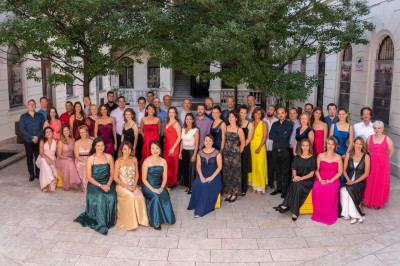
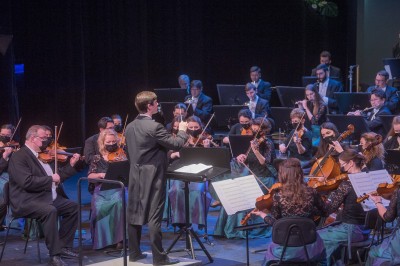
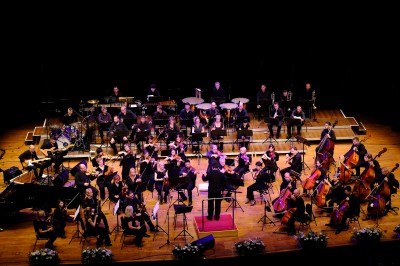
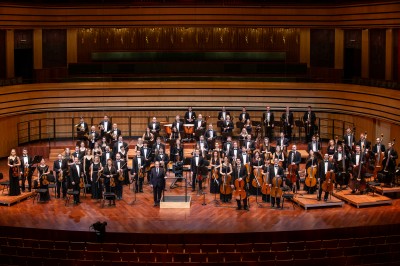
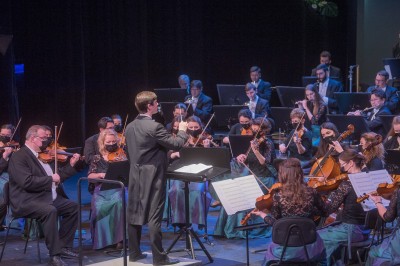
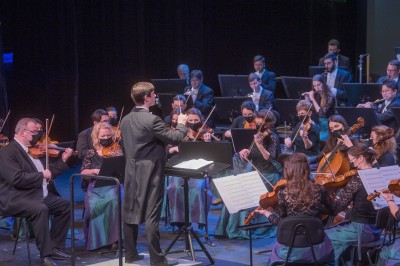
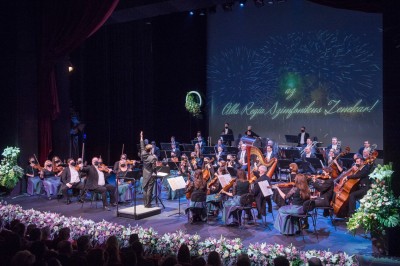
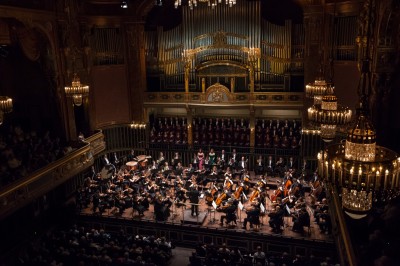
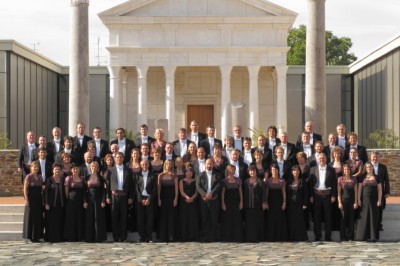
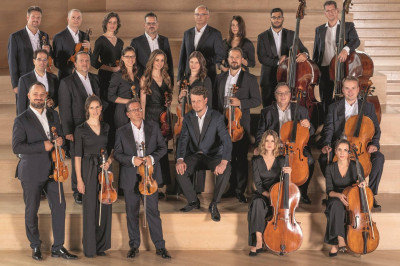
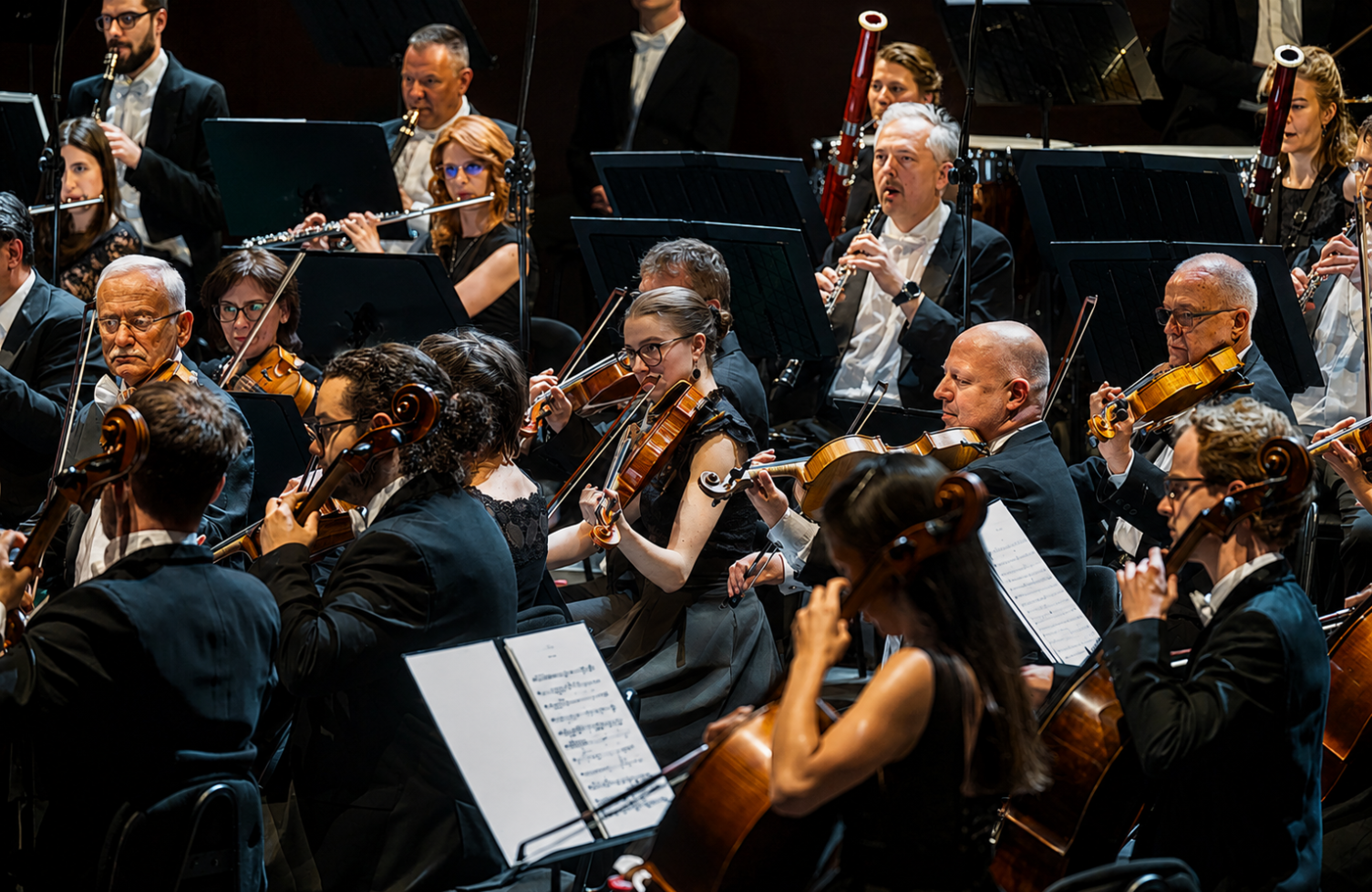
The Alba Regia Symphony Orchestra needs no introduction to Hungarian audiences, having been a central pillar of the city’s cultural life for more than a century.
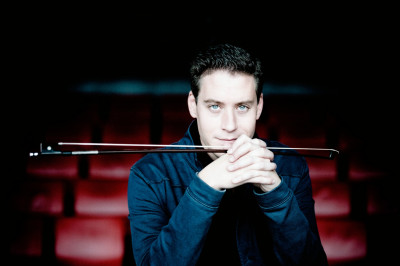
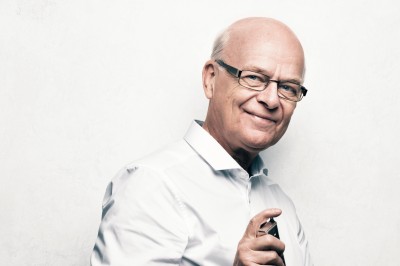
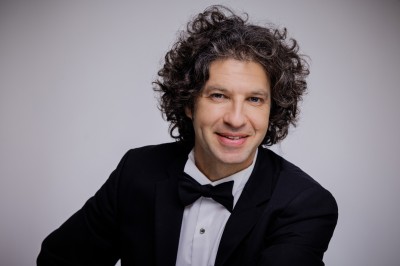
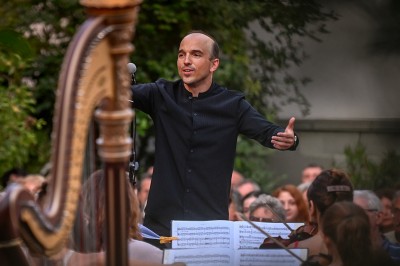
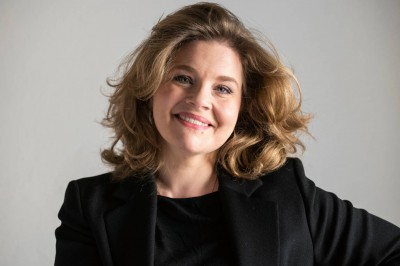
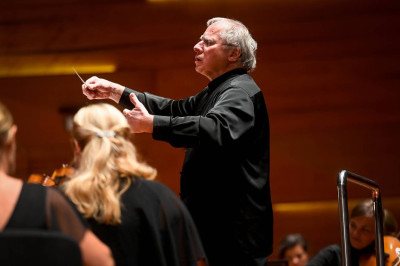
On this evening, under the baton of János Kovács, the orchestra will transport audiences into the magical world of opera, joined by two outstanding soloists. The first is contralto Atala Schöck, recipient of the Liszt Prize and a Chamber Singer of the Hungarian State Opera. Alongside her operatic roles, she is a sought-after soloist in oratorio performances at concert halls both in Hungary and abroad.
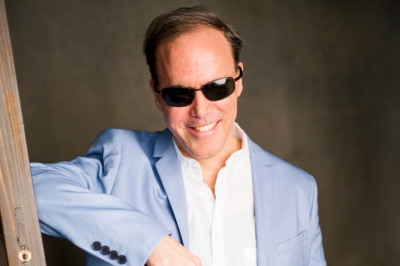
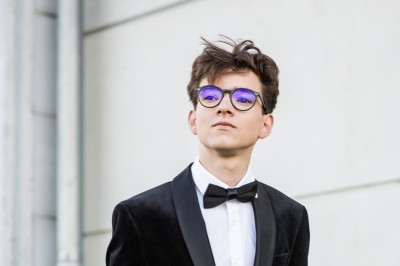
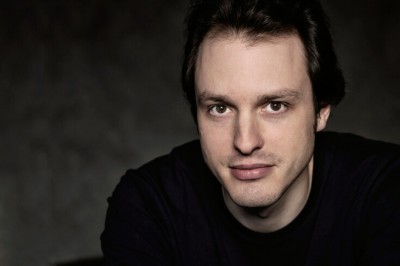
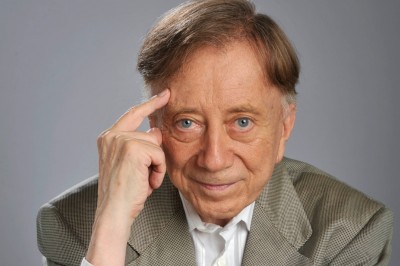
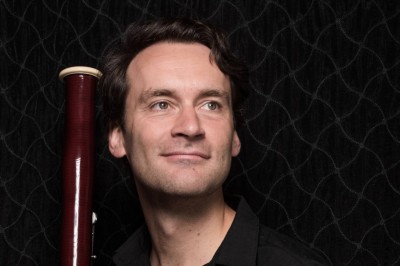
Her partner for this occasion is tenor István Kovácsházi, who holds several prestigious distinctions, including the title of Merited Artist of Hungary, the Liszt Prize and the title of Chamber Singer of the Hungarian State Opera. He has appeared on German opera stages on numerous occasions, notably in acclaimed portrayals of Wagnerian roles.
This evening’s musical journey takes us back to the Romantic era, when opera became a world of emotion, passion and extremes. Nineteenth-century composers no longer sought merely to tell stories on stage; their ambition was to make music the language of feelings that words could not express. The heroes of Romantic opera struggle to find their place amid tragic love, inner turmoil, the longing for freedom and the elemental force of human passions, while the orchestra paints the emotional landscape of the drama with an ever richer palette of sound.
During this period, opera evolved into a grand theatrical experience. Alongside monumental choral scenes, virtuosic arias and passionate orchestral outbursts came greater psychological depth and increasingly subtle characterisation. The masters of Romanticism drew inspiration from a variety of national traditions: Italian opera celebrated the beauty of melody and dramatic intensity; French composers enriched the genre with sensuous colours and elegance; while German Romanticism reshaped the operatic stage through philosophical depth and the power of myth.
Composers of the period—including Wagner, Bizet, Saint-Saëns and Ponchielli—each gave voice to the ideals of Romanticism in their own distinctive way. Yet they shared a common ambition: to make music do more than accompany human stories, allowing audiences to experience the destinies of their characters with overwhelming emotional force.
Romantic opera therefore remains, to this day, a breathtaking theatrical spectacle, an elemental journey through human emotion and a timeless musical experience.