

26.01.2027 19:00
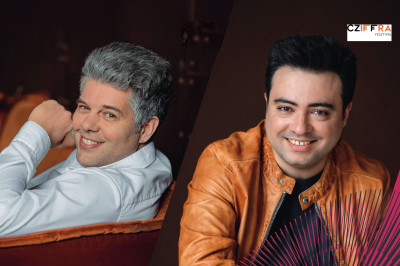
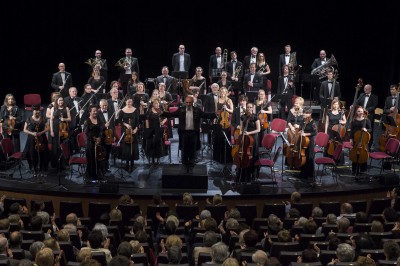
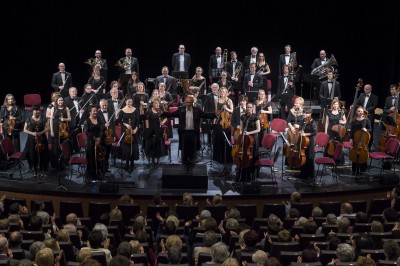
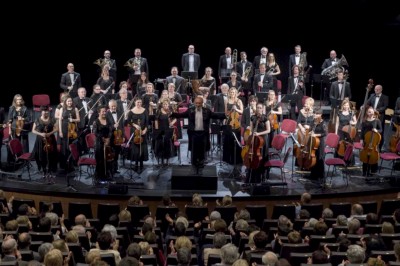
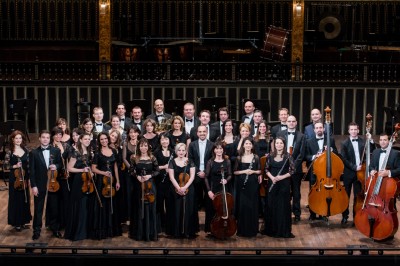
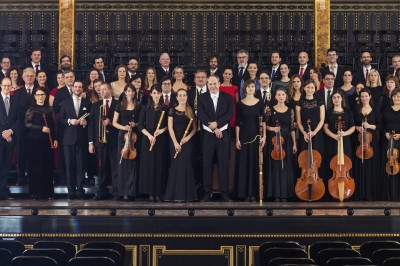
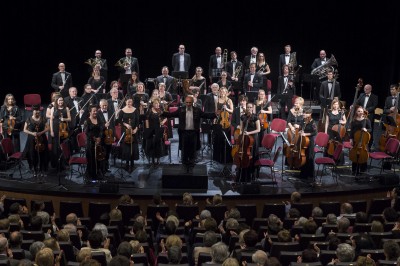
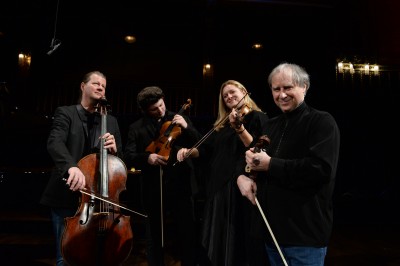
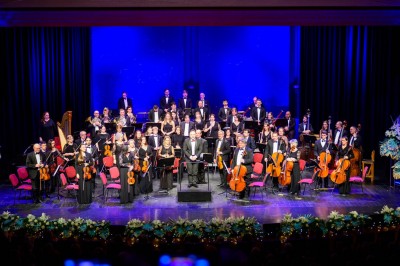
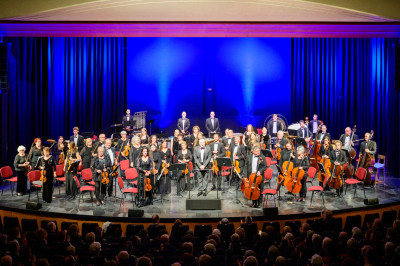
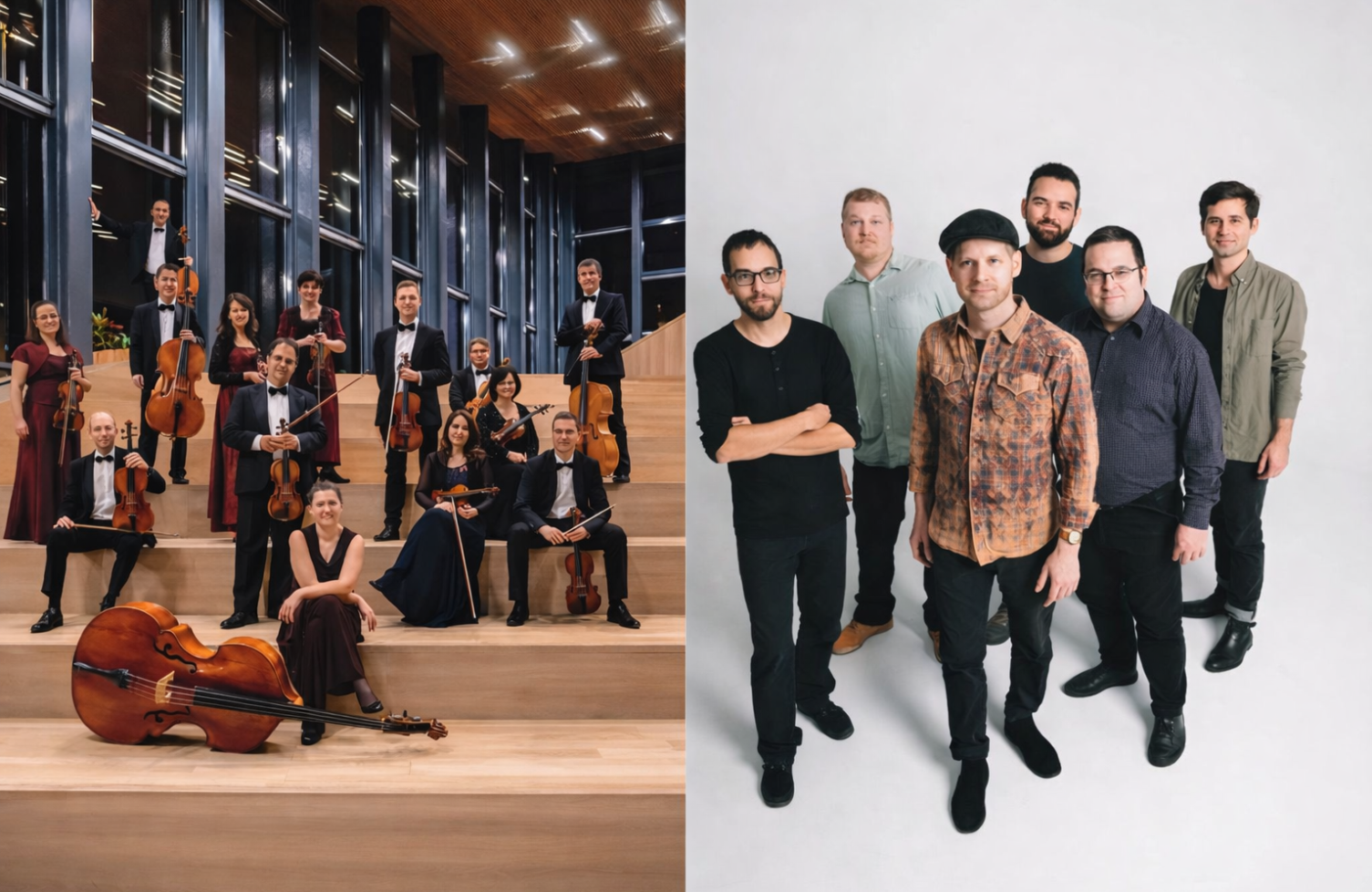
Budapest String Orchestra and the Góbé FolkSide
Kecskemét, Hírös Agóra Kulturális Központ
Kodály Season Ticket - Kecskemét
Season tickets

New subscriptions may be purchased until 13 November 2026.
Subscriptions can be purchased at the Hírös Agóra Cultural Center box office (Deák Ferenc Sq. 1, Kecskemét; +36 76 503 880), as well as online at hirosagora.jegy.hu.
Filharmonia Hungary season ticket holders are entitled to a 20% discount on tickets for adult concerts organised and sold by Filharmonia Hungary anywhere in Hungary, upon presentation of their season tickets. The discount applies to one ticket per season ticket, per concert.
We reserve the right to change the programmes, dates, venues, and performances, and ticket prices may change accordingly.

OUR MUSICAL ROOTS – REWORKED
Hungarian folk songs are deeply embedded in our culture, resonating in our hearts and shaping Hungarian identity. These pieces can evoke powerful emotions, even when performed or adapted in new ways. The Budapest Strings focused their program on this theme to highlight the richness of folk music, inviting the Góbé Band to showcase its versatility. From the beginning, the Góbé Band has approached authentic folk music experimentally, reinterpreting traditional Hungarian songs—mainly on acoustic instruments—and blending them with modern genres. Though Béla Bartók’s Divertimento for string orchestra isn’t a direct folk arrangement, its second movement features pentatonic melodies, and its third movement has a folk-like quality rooted in Hungarian scales. After the Góbé Band’s folk selections, Kodály’s Hungarian Rondo is performed; it was his first orchestral work based on folk songs he personally collected. Leó Weiner’s Divertimento No. 2, titled “Hungarian Folk Melodies,” comprises four short movements inspired by folk dances and songs, written specifically for strings. The evening concludes with “almost Bartók”—an orchestral adaptation of the piano piece 15 Hungarian Peasant Songs, arranged into eight movements that evoke different moods or dances. In this concert, Máté Vizeli, a founding member of the Góbé Band, offers a reimagined version of the work, weaving folk-song arrangements into orchestral forms. We look forward to welcoming you to this Hungarian-themed evening!